
Braces have long been a cornerstone of orthodontic treatment, designed to correct misaligned teeth and improve overall oral health. While many patients are eager to achieve that perfect smile, understanding the estimated wear time for braces is essential for setting realistic expectations. This article delves into the factors influencing treatment duration, typical timelines, and tips …
Braces have long been a cornerstone of orthodontic treatment, designed to correct misaligned teeth and improve overall oral health. While many patients are eager to achieve that perfect smile, understanding the estimated wear time for braces is essential for setting realistic expectations. This article delves into the factors influencing treatment duration, typical timelines, and tips for optimizing your experience with braces.
On average, patients wear braces for about 18 to 24 months. However, this timeline can vary significantly based on several factors, including the severity of the dental issues, the type of braces used, and the patient’s age.
Severity of Misalignment
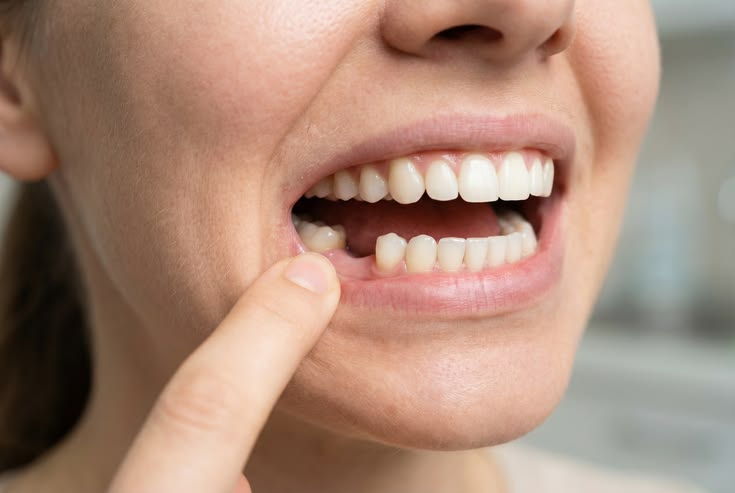
The more complex the dental issues, the longer the treatment may take. Mild crowding or spacing issues might require only 12 months of treatment, while severe cases, such as significant overbites or underbites, could extend treatment to 36 months or more.
Type of Braces
Different types of braces come with varying treatment durations. Traditional metal braces are often effective for a broad range of issues but may take longer than newer options like clear aligners (e.g., Invisalign). Clear aligners can sometimes shorten treatment time for specific cases due to their ability to apply targeted pressure more effectively.
Patient Age
Children and teenagers typically respond to orthodontic treatment more quickly than adults. This is largely due to their still-developing jawbones, which can be more easily manipulated. Adults may require longer treatment times because their bone structure is more established.
Patient Compliance
One of the most significant factors impacting the duration of orthodontic treatment is patient compliance. Following your orthodontist’s instructions—such as wearing rubber bands, maintaining oral hygiene, and attending regular appointments—can significantly affect how quickly your treatment progresses.
Adhere closely to your orthodontist’s recommendations regarding rubber bands, retainers, and dietary restrictions. Ignoring these instructions can lead to delays in your treatment timeline.
Consider Accelerated Options!
For those who are particularly anxious about the length of time in braces, some orthodontists offer accelerated treatment options, such as Propel or AcceleDent, which aim to speed up tooth movement through various techniques.