
Taking care of your dental implants is essential to ensure their longevity and maintain overall oral health. Dental implants are a popular and effective solution for replacing missing teeth, providing a natural look and feel while restoring function. However, like natural teeth, implants require diligent care and maintenance. This article outlines key practices for maintaining …
Taking care of your dental implants is essential to ensure their longevity and maintain overall oral health. Dental implants are a popular and effective solution for replacing missing teeth, providing a natural look and feel while restoring function. However, like natural teeth, implants require diligent care and maintenance. This article outlines key practices for maintaining your dental implants and protecting your investment.
Understanding Dental Implants
A dental implant consists of a titanium post surgically placed into the jawbone to serve as a replacement tooth root. Once integrated with the bone, it supports a crown, bridge, or denture. Because the implant is anchored directly to the bone, it provides stability and prevents bone loss that can occur with missing teeth. However, the implant and surrounding tissues must be cared for properly to avoid complications such as peri-implantitis—an inflammatory condition that affects the gums and bone around the implant.
Daily Oral Hygiene Practices
Maintaining excellent oral hygiene is critical for the health of dental implants. Although implants cannot develop cavities, plaque and bacteria can accumulate on the implant surfaces and adjacent gum tissues, leading to infection and inflammation. It is recommended to brush your teeth at least twice a day using a soft-bristle toothbrush and a non-abrasive toothpaste to avoid scratching the implant surface.
Flossing is equally important to remove plaque and food particles between the implant and natural teeth. Specialized floss designed for implants or interdental brushes can be used to clean these hard-to-reach areas effectively. Using an antimicrobial mouthwash can further reduce bacterial buildup and promote gum health.
Regular Dental Visits
Regular professional dental visits are indispensable for implant maintenance. Your dentist or dental hygienist will assess the condition of the implant, check for signs of inflammation or infection, and perform professional cleaning using instruments designed to avoid damaging the implant. Routine X-rays may be taken to monitor bone levels around the implant and ensure proper integration.
Professional checkups also provide an opportunity to address any problems early, preventing potential implant failure. Patients are typically advised to schedule dental examinations every six months or as recommended by their dentist.
Lifestyle Considerations
Certain lifestyle habits can impact the health of dental implants. Smoking, for instance, is a significant risk factor for implant complications. It reduces blood flow to the gums, impairing healing and increasing the likelihood of peri-implantitis. Quitting smoking or avoiding tobacco use altogether can significantly improve the success rate of dental implants.
A balanced diet rich in vitamins and minerals supports oral tissue health and overall well-being. Limiting consumption of sugary foods and beverages helps minimize plaque accumulation and gum disease risk. Staying hydrated also contributes to saliva production, which naturally helps cleanse the mouth.
Protecting Your Implants
Dental implants are strong but not indestructible. Avoiding excessive force or trauma is essential to prevent damage. If you engage in contact sports or activities with a risk of facial injury, wearing a mouthguard can protect your implants and natural teeth.
Patients who grind or clench their teeth (bruxism) should discuss this with their dentist, as excessive pressure can compromise the implant. Night guards or other protective devices may be recommended to reduce stress on the implants during sleep.
Recognizing Signs of Problems
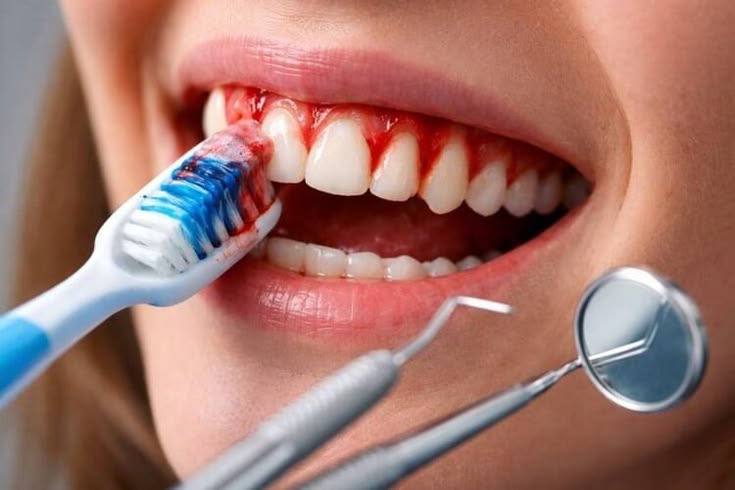
Early detection of potential implant issues can save your implant and maintain your oral health. Be vigilant for signs such as redness, swelling, bleeding around the implant, persistent pain, or looseness of the implant. If you notice any of these symptoms, seek prompt dental evaluation.
Timely intervention can prevent the progression of infection or bone loss, which could lead to implant failure. Maintaining open communication with your dental care team is key to managing your implants effectively.