
Dental trauma encompasses a wide range of injuries, including fractures, avulsions, luxations, and other forms of damage to the teeth and surrounding structures. Understanding the causes of dental trauma, such as accidents, falls, sports-related injuries, and physical altercations, is crucial in developing preventive measures. Additionally, recognizing the potential consequences of dental trauma, including pain, aesthetic …
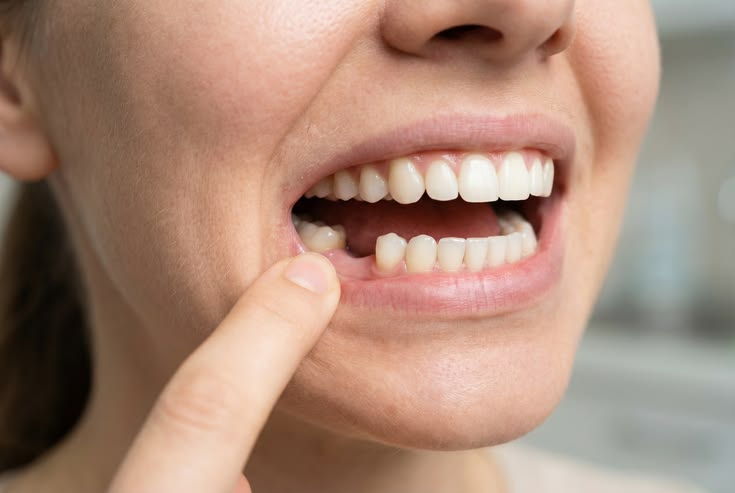
Dental trauma encompasses a wide range of injuries, including fractures, avulsions, luxations, and other forms of damage to the teeth and surrounding structures. Understanding the causes of dental trauma, such as accidents, falls, sports-related injuries, and physical altercations, is crucial in developing preventive measures. Additionally, recognizing the potential consequences of dental trauma, including pain, aesthetic concerns, and long-term oral health implications, underscores the importance of proactive protection.
Proper Oral Hygiene and proper nutrition
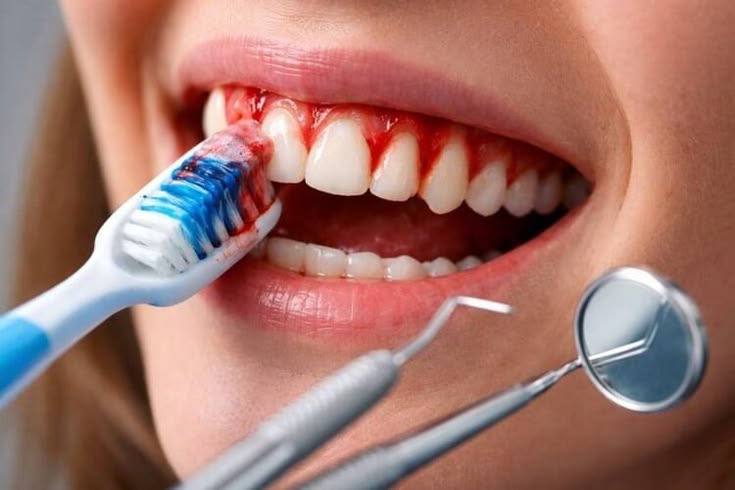
Maintaining good oral hygiene practices, including regular brushing, flossing, and dental check-ups, can prevent dental issues that may lead to trauma as dental visits allow professionals to assess oral health, identify potential risk factors for dental trauma, and provide personalized recommendations for injury prevention, as well as encourage a balanced diet rich in essential nutrients like calcium and vitamin D that can promote strong teeth and reduce the risk of fractures and other injuries.
Safety Precautions
Implementing safety measures in high-risk environments, such as childproofing homes, using seat belts in vehicles, and ensuring proper lighting in potentially hazardous areas, can help prevent accidents leading to dental trauma.
The use of custom-fitted mouthguards during sports activities can significantly reduce the risk of dental injuries by providing cushioning and protection for the teeth and surrounding structures.
Avoiding Harmful Habits
Discouraging habits such as nail-biting, chewing on hard objects, and using teeth as tools can minimize the risk of dental injuries caused by external forces.
Educating about Injury Prevention
Teaching children and adults about the importance of injury prevention, including proper techniques for physical activities and the use of protective gear, can foster a culture of safety awareness.
Customized Preventive Care
Dentists can offer customized solutions such as sealants, orthodontic treatments, and other interventions to strengthen teeth and reduce susceptibility to injury.
Emergency Response Training
dental professionals can provide guidance on immediate first aid measures for dental trauma, empowering individuals to respond effectively in case of an injury.
Read here more: