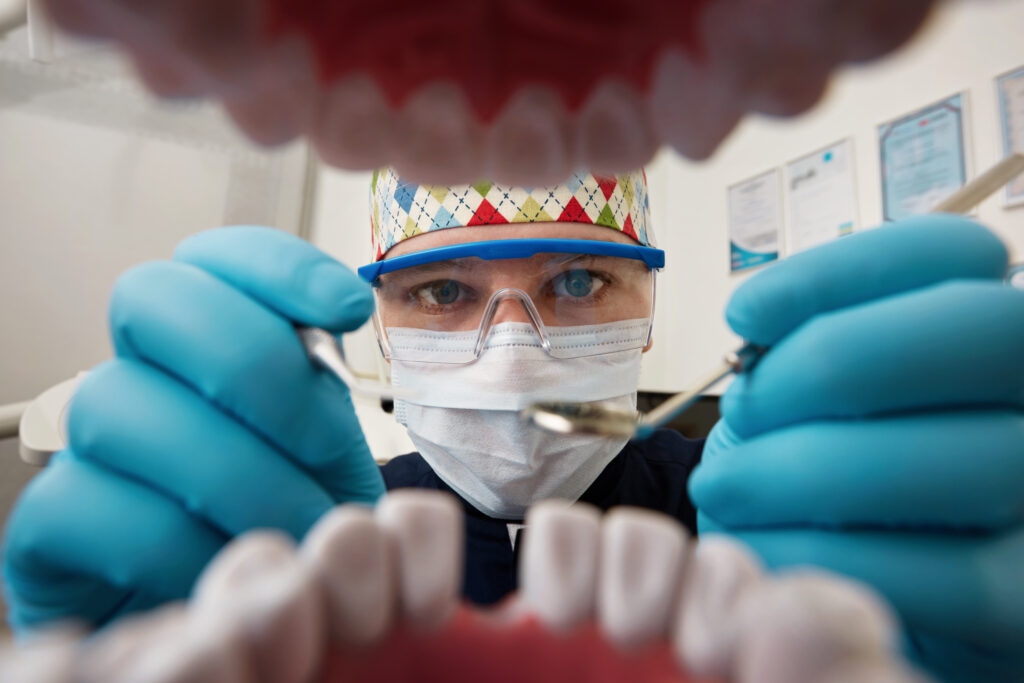
When a tooth becomes severely decayed or infected, extraction is not the only option. Root canal therapy offers a way to save the natural tooth, eliminate pain, and restore full function. Modern techniques and advanced technology have transformed root canal treatments into comfortable, efficient procedures that preserve smiles for the long term. What Is Root …
When a tooth becomes severely decayed or infected, extraction is not the only option. Root canal therapy offers a way to save the natural tooth, eliminate pain, and restore full function. Modern techniques and advanced technology have transformed root canal treatments into comfortable, efficient procedures that preserve smiles for the long term.
What Is Root Canal Therapy?
Inside every tooth is a soft tissue called the pulp, which contains nerves, blood vessels, and connective tissue. When deep decay, cracks, or trauma allow bacteria to reach the pulp, infection can occur. This often leads to pain, swelling, and sensitivity.
Root canal therapy removes the infected pulp, cleans and disinfects the root canals, and seals the space to prevent future infection. The treated tooth is then restored, usually with a crown, so it can continue to function like any other natural tooth.
Signs You Might Need a Root Canal
Patients may not always know when an infection has reached the pulp. Common symptoms include:
- Severe toothache, especially when chewing or applying pressure
- Prolonged sensitivity to hot or cold
- Swelling or tenderness in nearby gums
- Darkening or discoloration of the tooth
- A recurring pimple or abscess on the gum
If left untreated, the infection can spread, causing serious complications and potentially leading to tooth loss. Seeking prompt dental care ensures the best outcome.
The Root Canal Procedure
Many patients feel anxious about root canals, but the procedure is straightforward and similar to receiving a filling. Advances in dentistry have made root canals virtually painless.
- Examination and X-rays: The dentist evaluates the tooth and confirms the need for treatment.
- Local Anesthesia: The area around the tooth is numbed for comfort.
- Accessing the Tooth: A small opening is made to reach the pulp chamber.
- Cleaning and Shaping: Infected pulp is removed, and the canals are cleaned, shaped, and disinfected.
- Filling the Canals: The space is filled with a biocompatible material to prevent reinfection.
- Restoring the Tooth: A crown or filling is placed to restore strength and appearance.
Most procedures are completed in one to two visits, depending on the complexity of the case.
Aftercare and Recovery
Recovery from a root canal is usually quick. Mild soreness or sensitivity may occur for a few days, but over-the-counter pain relievers are often enough to manage discomfort. Patients can resume normal activities shortly after treatment.
Dentists recommend avoiding chewing on the treated tooth until it is fully restored with a crown or permanent filling. Maintaining good oral hygiene—brushing twice daily, flossing, and scheduling regular checkups—is essential to keep the restored tooth and surrounding teeth healthy.