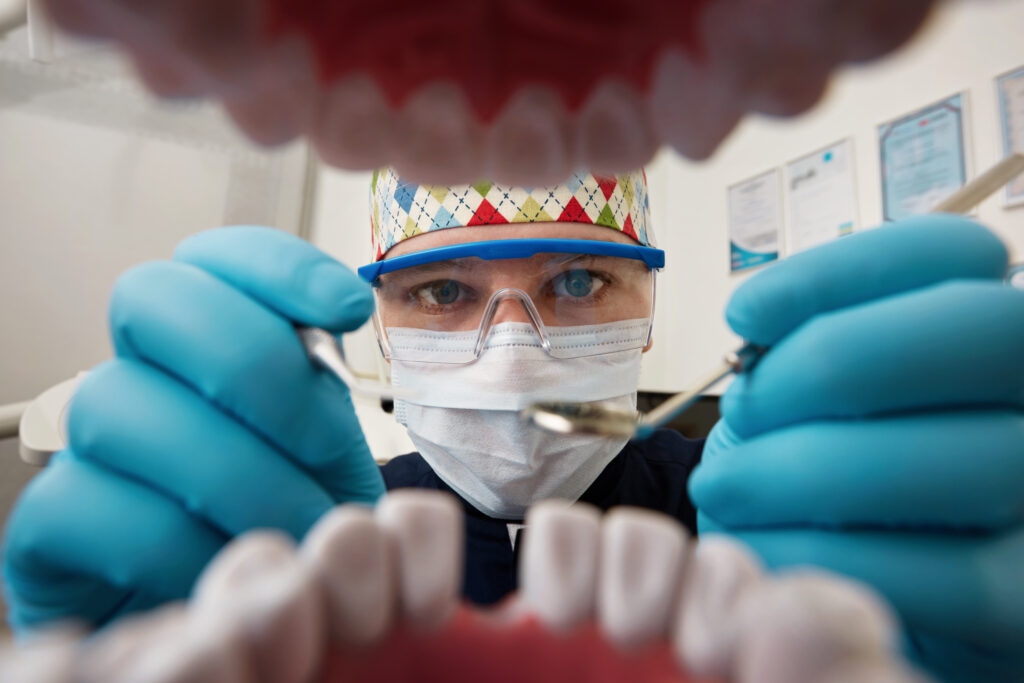

Bad breath, or halitosis, is a common oral health concern that can have a significant impact on an individual’s confidence and social interactions and could be a sign of a greater underlying issue. Our experts donned down the causes of bad breath, exploring the relationship between oral health, lifestyle factors, and underlying medical conditions, in …
Bad breath, or halitosis, is a common oral health concern that can have a significant impact on an individual’s confidence and social interactions and could be a sign of a greater underlying issue. Our experts donned down the causes of bad breath, exploring the relationship between oral health, lifestyle factors, and underlying medical conditions, in order to understand origins of halitosis so every patient can reach the solution fit for them.
Poor Oral Hygiene in Bad Breath
One of the primary culprits behind bad breath is poor oral hygiene. When proper brushing and flossing techniques are neglected, bacteria accumulate in the mouth, feeding on food particles and producing foul-smelling gases. Plaque buildup on the teeth and gums can lead to decay, gum disease, and persistent halitosis. Inadequate oral hygiene practices create an ideal environment for bacteria to thrive, resulting in unpleasant breath odor.
The Impact of Dry Mouth on Halitosis
Dry mouth, or xerostomia, is another common cause of bad breath. Saliva plays a crucial role in maintaining oral health by washing away food particles and neutralizing acids produced by bacteria. When saliva production is reduced, as in the case of dry mouth, bacteria proliferate, leading to an increase in odor-causing compounds. Various factors, such as medications, medical conditions, and lifestyle habits, can contribute to dry mouth and exacerbate halitosis.
Dietary Factors and Bad Breath
The foods we consume can also influence the freshness of our breath. Certain foods and beverages, such as garlic, onions, coffee, and alcohol, contain volatile compounds that can linger in the mouth and contribute to bad breath. Additionally, diets high in sugar and acidic foods can promote bacterial growth and lead to odorous breath. Making mindful dietary choices and practicing good oral hygiene can help mitigate the impact of dietary factors on halitosis.
Oral Health Conditions Linked to Bad Breath
Underlying dental issues, such as cavities, gum disease, and oral infections, are significant contributors to bad breath. Cavities provide a breeding ground for bacteria, while gum disease causes inflammation and bleeding that can result in halitosis. Oral infections, such as thrush or periodontal abscesses, can also produce unpleasant odors. Addressing these dental conditions through professional treatment is essential for combating bad breath at its source.
Systemic Health Conditions and Halitosis
In some cases, bad breath may be a symptom of systemic health conditions that extend beyond oral health. Medical conditions such as diabetes, respiratory infections, liver disease, and gastrointestinal disorders can manifest as halitosis due to metabolic processes or bacterial overgrowth. Identifying and treating these underlying health issues is crucial for effectively managing bad breath and promoting overall well-being.
Lifestyle Habits and Bad Breath
Certain lifestyle habits can contribute to the development of bad breath. Smoking and tobacco use not only stain teeth and promote gum disease but also produce a distinct odor that lingers in the mouth. Alcohol consumption, poor hydration, and irregular eating patterns can also impact breath freshness. Adopting healthy lifestyle choices, such as quitting smoking, staying hydrated, and maintaining a balanced diet, can help improve oral health and reduce the likelihood of halitosis.
Bad breath is an issue with diverse causes rooted in oral health, lifestyle factors, and underlying medical conditions. Understanding the root causes will aid individuals in taking proactive steps to combat halitosis and maintain fresh breath. Prioritizing good oral hygiene practices, addressing dental issues promptly, making informed dietary choices, and seeking medical evaluation when necessary are key strategies for managing bad breath effectively.
Contact us here: Get in Touch – Contact the Clinic | Rely Dental & Orthodontics
Read more: Exploring the Various Types of Teeth Whitening Techniques | RELY DENTAL