Dental bridges are a popular and effective solution for replacing missing teeth, restoring both the function and appearance of your smile. While bridges are designed to be durable, their longevity greatly depends on how well they are cared for. With proper maintenance, dental bridges can last 10 to 15 years—or even longer. Whether you already …
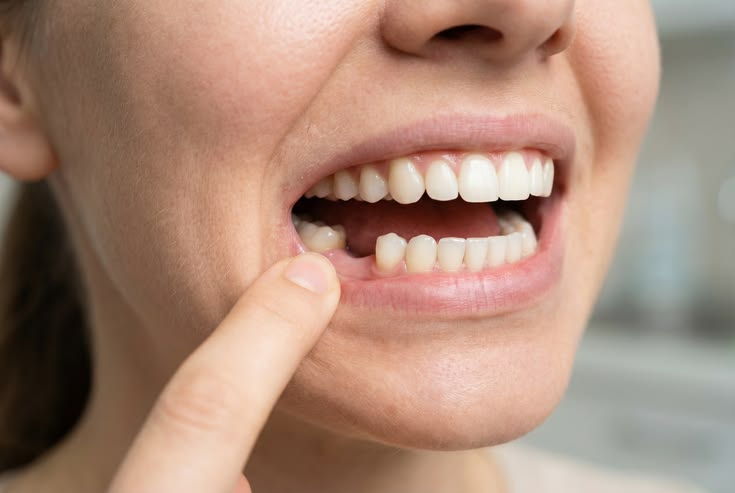
Dental bridges are a popular and effective solution for replacing missing teeth, restoring both the function and appearance of your smile. While bridges are designed to be durable, their longevity greatly depends on how well they are cared for. With proper maintenance, dental bridges can last 10 to 15 years—or even longer. Whether you already have a bridge or are considering getting one, following the right care practices is key to protecting your investment and preserving your oral health.
Prioritize Daily Oral Hygiene
Just like natural teeth, dental bridges require consistent brushing and flossing. Although the artificial teeth in a bridge can’t decay, the natural teeth supporting them (called abutment teeth) are still susceptible to plaque buildup, gum disease, and decay.
- Brushing: Use a soft-bristled toothbrush and fluoride toothpaste to brush your teeth at least twice a day. Pay special attention to the gumline and the area surrounding the bridge. Consider using an electric toothbrush for more effective plaque removal.
- Flossing: Traditional floss may not reach underneath the bridge, so use tools such as floss threaders, super floss, or an interdental brush to clean between and under the bridge. These tools help remove food particles and bacteria from hard-to-reach areas.
- Mouthwash: An antibacterial or fluoride mouthwash can help reduce the risk of cavities and gum inflammation, especially around the abutment teeth.
Avoid Hard and Sticky Foods
While dental bridges are strong, they aren’t indestructible. Chewing on hard foods such as ice, hard candy, nuts, or unpopped popcorn kernels can damage the bridge or the supporting teeth. Likewise, sticky foods like caramel or chewing gum can loosen the bridge or pull at the cement holding it in place.
To extend the lifespan of your bridge, avoid high-risk foods and opt for a balanced diet rich in fiber, vitamins, and calcium to promote healthy teeth and gums.
Address Teeth Grinding
Bruxism (teeth grinding or clenching) can exert excessive pressure on dental bridges, leading to cracks, loosening, or breakage. If you suspect you grind your teeth—especially at night—consult your dentist. They may recommend a custom-fitted nightguard to protect your bridge and natural teeth while you sleep.
Nightguards not only extend the life of your bridge but also help prevent jaw pain and other complications associated with grinding.
Don’t Skip Dental Checkups
Routine dental visits are essential for monitoring the health of your bridge and surrounding teeth. During checkups, your dentist will:
- Examine the fit and stability of the bridge
- Check for signs of decay or gum disease around the abutment teeth
- Professionally clean areas that are hard to reach at home
- Offer advice on improving your oral hygiene routine
Regular cleanings and early detection of any issues can prevent costly repairs or replacement.
Watch for Warning Signs
Be aware of symptoms that might indicate a problem with your bridge, including:
- Sensitivity or pain near the bridge
- Looseness or movement of the bridge
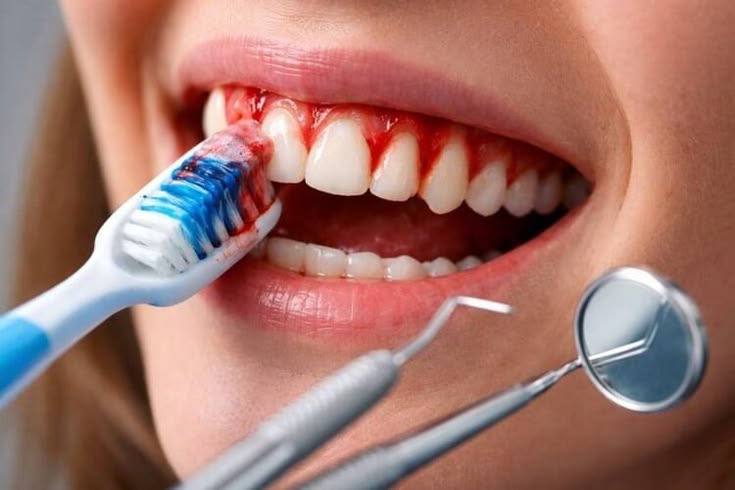
- Red, swollen, or bleeding gums
- Persistent bad breath or unusual taste
If you experience any of these symptoms, contact your dentist promptly to prevent further complications.