Tooth decay is a progressive condition that can develop without noticeable symptoms in its early stages. However, as it advances, it begins to present various signs that can help individuals identify the problem and seek timely treatment. Being aware of the warning signs of tooth decay is essential for maintaining oral health and avoiding more …
Tooth decay is a progressive condition that can develop without noticeable symptoms in its early stages. However, as it advances, it begins to present various signs that can help individuals identify the problem and seek timely treatment. Being aware of the warning signs of tooth decay is essential for maintaining oral health and avoiding more severe complications like infections or tooth loss.
Below are the most common signs of tooth decay that patients should monitor and report to their dental professional.
1. Tooth Sensitivity
One of the earliest signs of tooth decay is increased sensitivity. Individuals may feel discomfort or a sharp sensation when consuming hot, cold, sweet, or acidic foods and beverages. This occurs when the enamel starts to wear down and exposes the dentin underneath, which contains small tubes that lead to the tooth’s nerve center.
Tooth sensitivity may begin mildly and become more frequent or intense as the decay worsens. If this symptom persists or affects daily activities, it may indicate the presence of a cavity.
2. Visible Spots or Discoloration
Tooth decay often starts as white spots on the surface of the teeth, which represent areas of enamel demineralization. Over time, these spots can darken and appear brown or black. Discoloration may be subtle or obvious, depending on the location and extent of the decay.
Unlike staining caused by coffee, tea, or smoking, the discoloration from decay typically doesn’t improve with brushing and requires professional dental treatment.
3. Toothache or Spontaneous Pain
As decay penetrates deeper into the tooth, it can lead to a persistent toothache or sharp pain that occurs without any apparent trigger. This pain may be continuous or intermittent and may worsen when chewing or applying pressure.
Spontaneous pain is a significant indicator that the decay has reached the inner layers of the tooth, possibly affecting the pulp where nerves and blood vessels are located. This often signals the need for more advanced treatments such as root canal therapy.
5. Bad Breath or Unpleasant Taste
Bacteria responsible for tooth decay produce acids and byproducts that can cause chronic bad breath (halitosis) or an unpleasant taste in the mouth. These symptoms often accompany other signs of decay but may also occur independently.
If brushing and mouthwash do not improve the odor or taste, it could be a sign of underlying decay or infection that needs professional evaluation.
6. Swelling or Bleeding Around the Affected Tooth
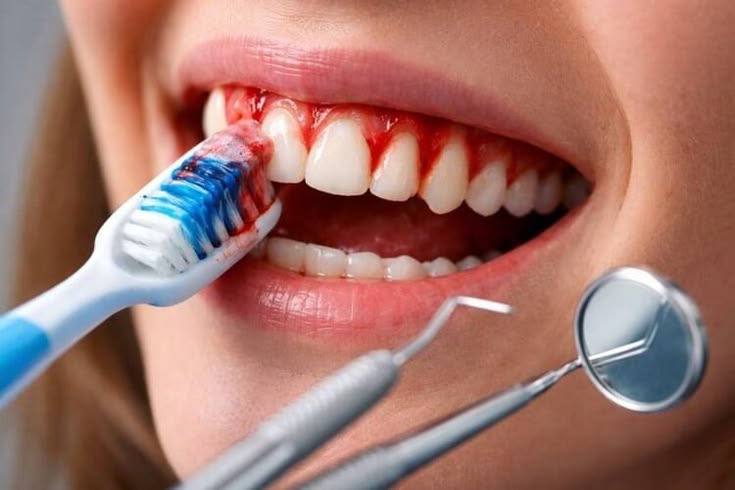
In advanced stages, decay may cause inflammation or infection in the surrounding gum tissue. Patients may notice redness, swelling, or bleeding near the decayed tooth, especially when brushing or flossing.
This symptom could also be associated with gum disease, which often accompanies tooth decay if plaque and bacteria accumulate for extended periods.