
Introduction What is Tooth Sensitivity? What Causes Tooth Sensitivity? 1. Enamel Erosion 2. Gum Recession 3. Cavities or Tooth Decay 4. Cracked or Chipped Teeth 5. Dental Procedures 6. Dietary Habits How to Prevent Tooth Sensitivity 1. Use a Soft-Bristled Toothbrush 2. Choose Toothpaste for Sensitive Teeth 3. Watch Your Diet 4. Consider Fluoride Treatments …
Introduction
- Brief overview of tooth sensitivity and how common it is.
- A sentence to make the reader realize that tooth sensitivity is more than just a temporary discomfort—it’s a sign that something could be happening to their oral health.
What is Tooth Sensitivity?
- Definition: Tooth sensitivity, also known as dentin hypersensitivity, is a sharp pain or discomfort in response to certain triggers, like hot, cold, sweet, or acidic foods.
- Prevalence: Mention how millions of people experience tooth sensitivity, and it’s more common in adults between the ages of 20 and 40.
What Causes Tooth Sensitivity?
1. Enamel Erosion
- Explanation: Tooth enamel, the protective outer layer of the tooth, can wear down over time, leaving the underlying dentin exposed.
- Common Causes:
- Acidic Foods and Drinks (citrus, soda, wine).
- Brushing Too Hard (abrasive toothpaste or hard-bristled brushes).
- Acid Reflux: Stomach acid can reach the mouth, contributing to enamel erosion.
- Impact on Sensitivity: When enamel erodes, it exposes the dentin, which has tiny pores that lead to the nerves inside the tooth.
2. Gum Recession
- Explanation: As gums recede, the roots of the teeth, which are not covered by enamel, become exposed.
- Common Causes:
- Gum Disease (Gingivitis or Periodontitis): Infection and inflammation lead to gum recession.
- Bruxism (Teeth Grinding): Habitual grinding can wear down the gums and expose the tooth root.
- Impact on Sensitivity: The root surfaces have more nerve endings and are more susceptible to stimuli, making them more sensitive.
3. Cavities or Tooth Decay
- Explanation: Cavities or decay can compromise the integrity of the tooth, allowing external stimuli to reach the nerves.
- Impact on Sensitivity: When a cavity is deep enough, it can expose the tooth pulp, leading to heightened sensitivity to temperature or pressure.
4. Cracked or Chipped Teeth
- Explanation: A crack or chip in a tooth can expose sensitive areas of the tooth, especially if it reaches the pulp.
- Impact on Sensitivity: The crack creates tiny pathways that allow cold or hot temperatures to affect the nerve directly.
5. Dental Procedures
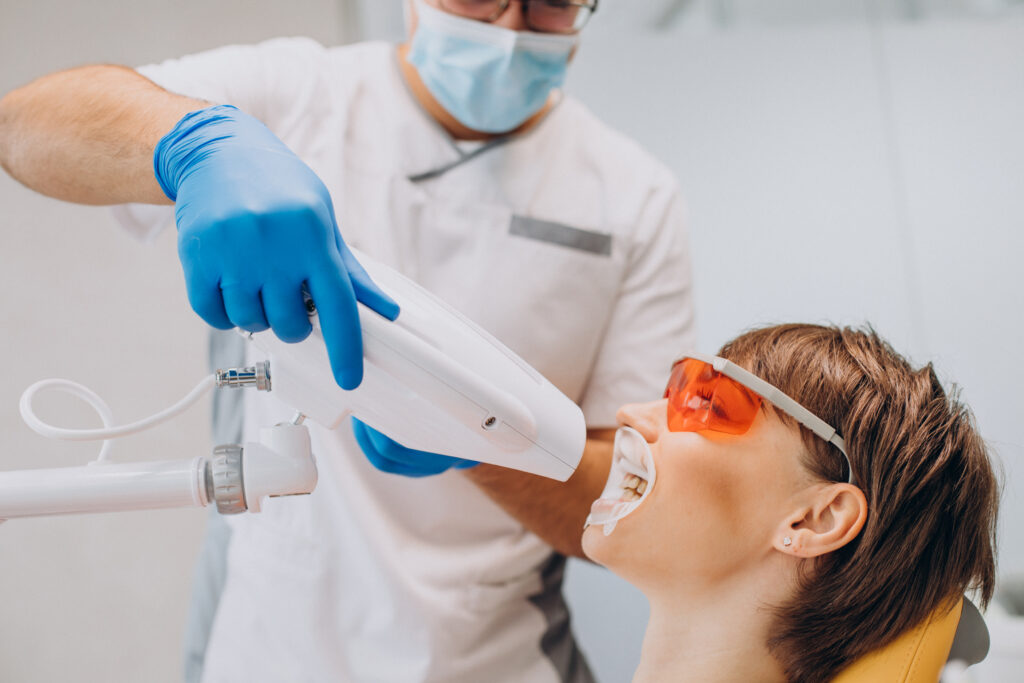
- Explanation: Recent dental treatments such as fillings, crowns, teeth whitening, or even professional cleanings can cause temporary sensitivity.
- Impact on Sensitivity: The dental procedure may irritate the nerves, leading to sensitivity, but this is often temporary.
6. Dietary Habits
- Explanation: High-sugar or acidic diets can contribute to the erosion of enamel over time.
- Foods and Drinks to Watch:
- Sodas, citrus fruits, pickles, and wine.
- Impact on Sensitivity: These substances can strip away the enamel and make teeth more sensitive.
How to Prevent Tooth Sensitivity
1. Use a Soft-Bristled Toothbrush
- Explanation: A soft-bristled toothbrush helps prevent enamel erosion and gum recession.
- Tip: Make sure to brush gently, as brushing too hard can lead to damage.
2. Choose Toothpaste for Sensitive Teeth
- Explanation: Specialized toothpaste for sensitive teeth contains ingredients like potassium nitrate or strontium chloride, which help block pain signals from the nerves.
- Tip: Be patient; it can take several weeks for the toothpaste to work effectively.
3. Watch Your Diet
- Explanation: Limit acidic foods and beverages, and if you do consume them, drink water afterward to neutralize acids.
- Tip: Try to reduce the frequency of consuming sugary snacks, and avoid snacking between meals.
4. Consider Fluoride Treatments
- Explanation: Fluoride strengthens enamel and helps reduce tooth sensitivity.
- Tip: Use fluoride mouth rinses or ask your dentist for professional fluoride treatments.
5. Wear a Night Guard for Teeth Grinding
- Explanation: If you grind your teeth at night, a night guard can protect your teeth from additional wear and tear.
- Tip: If you suspect bruxism, speak to your dentist about custom mouth guards.
6. Maintain Regular Dental Visits
- Explanation: Regular dental check-ups are essential for catching early signs of gum disease, cavities, or enamel erosion.
- Tip: Early detection means treatment can be started before the problem worsens.
7. Consider Professional Treatments
- Explanation: For severe cases, your dentist might recommend treatments like fluoride varnishes, bonding agents, or even gum grafting to cover exposed roots.
- Tip: If your sensitivity is severe or persistent, discuss it with your dentist to find the best course of action.
When to See a Dentist
- Explanation: If your sensitivity is persistent or worsens, it could be a sign of an underlying issue such as decay, gum disease, or cracked teeth.
- Warning Signs:
- Sharp, intense pain.
- Sensitivity that lasts for more than a few days.
- Visible cracks or chips in your teeth.
- Tip: Don’t ignore prolonged or severe sensitivity. A visit to the dentist is essential for proper diagnosis and treatment.
Finally
- Recap of the causes and preventive measures for tooth sensitivity.
- Final reassurance that with the right habits and treatments, tooth sensitivity can often be managed and reduced.