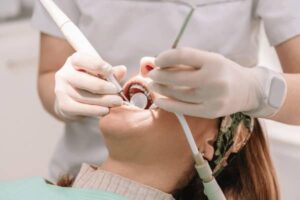
Wisdom tooth removal is a common dental procedure that many people undergo during their late teens or early twenties. While the extraction of these third molars can alleviate pain, prevent overcrowding, and reduce the risk of dental issues, it also requires careful post-operative care to ensure proper healing and maintain oral health. This article provides …
Wisdom tooth removal is a common dental procedure that many people undergo during their late teens or early twenties. While the extraction of these third molars can alleviate pain, prevent overcrowding, and reduce the risk of dental issues, it also requires careful post-operative care to ensure proper healing and maintain oral health. This article provides a comprehensive guide on how to care for your teeth and gums after wisdom tooth removal, including essential practices to follow, and tips for promoting optimal healing.
Oral Hygiene Practices After Surgery
Maintaining good oral hygiene after wisdom tooth removal is essential for preventing infection and promoting healing. However, it’s important to approach oral care with caution in the days following surgery.
Avoid Rinsing Immediately
For the first 24 hours after surgery, avoid rinsing your mouth. This can dislodge blood clots that form over the extraction sites, which are vital for healing.
Gentle Rinsing
After the first day, you can begin rinsing your mouth gently with warm salt water (1/2 teaspoon of salt in 8 ounces of water) several times a day, especially after meals. This helps keep the area clean and reduces the risk of infection. Avoid vigorous swishing or spitting, as this can disrupt healing.
Brushing Your Teeth
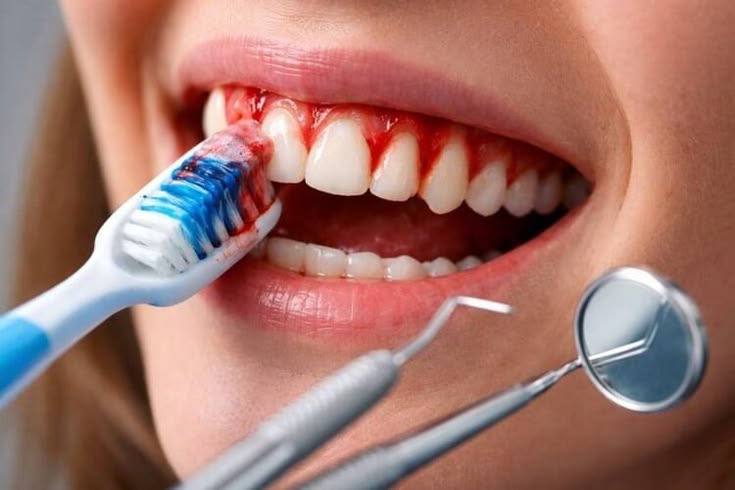
You should continue brushing your teeth after surgery but be careful around the extraction sites. Use a soft-bristled toothbrush and avoid brushing directly over the surgical area for a few days. Once you feel comfortable, resume your regular brushing routine but take care not to irritate the extraction sites.
Flossing
Avoid flossing near the extraction sites for at least a week after surgery. Once healed, you can resume normal flossing but be gentle around sensitive areas.
Stick to Soft Foods and stay hydrated
For the first few days post-surgery, consume soft foods that require minimal chewing.
Drink plenty of fluids to stay hydrated but avoid using straws for at least a week, as the suction can dislodge blood clots and lead to a painful condition known as dry socket.
Dry Socket Awareness
One of the most common complications after wisdom tooth removal is dry socket (alveolar osteitis). This condition occurs when the blood clot at the extraction site dissolves or dislodges before healing is complete. Symptoms of dry socket include:
– Severe pain that begins a few days after surgery
– Pain radiating to the ear or jaw
– Visible bone in the socket
– Bad breath or an unpleasant taste in the mouth
If you suspect you have dry socket, contact your dentist for treatment options.