A confident smile can leave a lasting impression, and for many people, tooth color plays a major role in how they feel about their appearance. Over time, teeth can lose their natural brightness due to aging, lifestyle habits, and dietary choices. Teeth whitening treatments offer a safe, effective way to restore radiance and help individuals …
A confident smile can leave a lasting impression, and for many people, tooth color plays a major role in how they feel about their appearance. Over time, teeth can lose their natural brightness due to aging, lifestyle habits, and dietary choices. Teeth whitening treatments offer a safe, effective way to restore radiance and help individuals feel more confident in their daily lives.
Why Teeth Lose Their Natural Whiteness
Teeth are covered by enamel, which naturally contains microscopic pores. Over the years, certain substances can seep into these pores and cause discoloration. Common causes include:
- Dietary habits: Coffee, tea, red wine, and dark-colored foods are known to stain teeth.
- Smoking and tobacco use: Nicotine and tar cause yellowing and brown surface stains.
- Aging: Enamel thins as we grow older, exposing the darker dentin underneath.
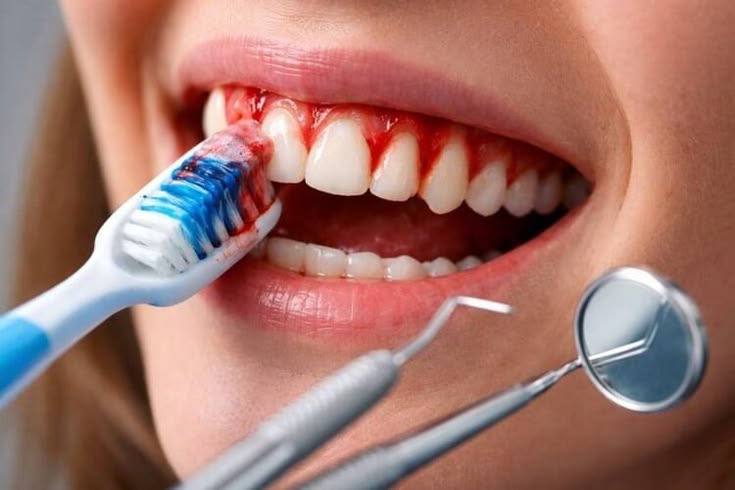
- Poor oral hygiene: Inconsistent brushing and flossing allow plaque and stains to build up.
- Medications: Certain antibiotics and medical treatments can affect enamel color.
Understanding these causes helps individuals choose the whitening treatment best suited to their needs.
Professional Teeth Whitening vs. At-Home Methods
While drugstore whitening kits are popular, professional teeth whitening offers significant advantages in both safety and results.
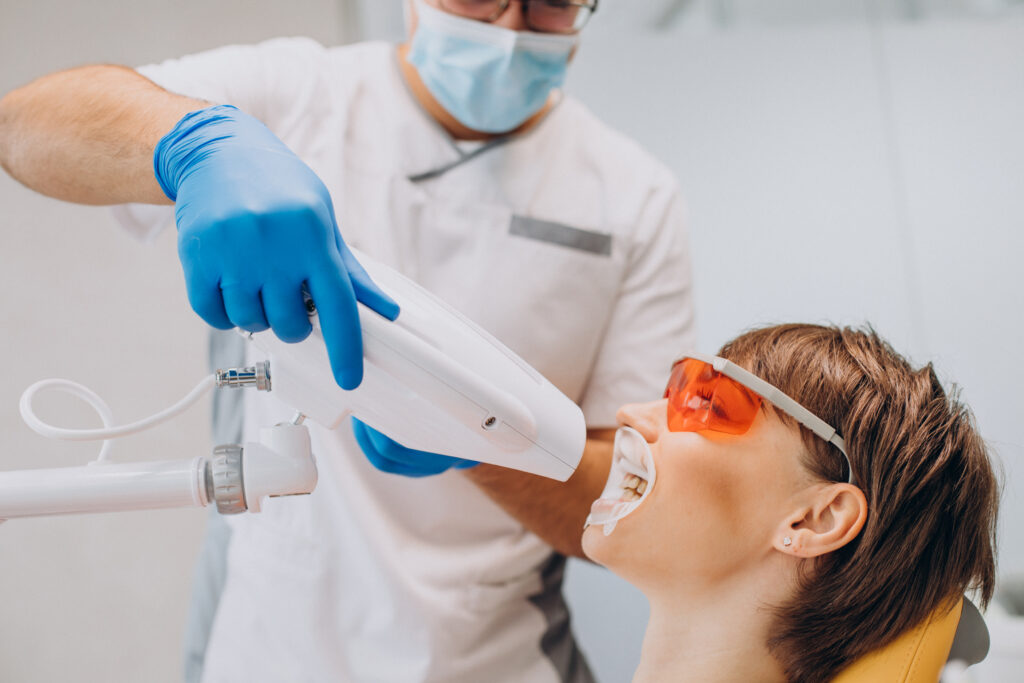
- In-Office Whitening: Performed by a dentist, this treatment uses stronger whitening agents and specialized lights or lasers to accelerate the process. Results are typically noticeable after just one session.
- Take-Home Whitening Trays: Custom-fitted trays provided by dentists allow patients to apply professional-grade gel at home, ensuring consistent coverage and gradual whitening over several weeks.
- Over-the-Counter Products: Whitening strips, pens, and toothpaste offer mild results but often require extended use and may not address deeper stains.
Professional supervision ensures that whitening is safe for enamel and gums while delivering longer-lasting results.
The Whitening Process
Professional whitening is designed to be both effective and comfortable. During an in-office procedure, the dentist applies a protective gel to the gums before placing a whitening agent on the teeth. A special light may then be used to activate the gel and enhance results. Sessions typically last about an hour, making it a convenient option for busy individuals.
For take-home treatments, the dentist creates custom trays that fit snugly over the teeth. Patients fill the trays with whitening gel and wear them for a designated period each day, usually over one to two weeks. This method provides flexibility while still ensuring safe and predictable outcomes.
Who Is a Good Candidate for Whitening?
Teeth whitening is most effective for individuals with surface stains caused by foods, drinks, or smoking. It is less effective for discoloration caused by trauma, certain medications, or developmental conditions. People with crowns, veneers, or fillings should also be aware that these restorations will not change color with whitening treatments.
A thorough dental exam is essential before whitening, as untreated cavities, gum disease, or enamel damage should be addressed first. Dentists evaluate each patient to determine if whitening is a safe and effective option.
How Long Do Results Last?
The longevity of whitening results depends on lifestyle and oral hygiene habits. With proper care, professional whitening can last from several months to a few years. To maintain brightness, dentists often recommend:
- Brushing twice daily with a fluoride toothpaste.
- Flossing daily to remove plaque between teeth.
- Limiting staining foods and beverages or rinsing after consuming them.
- Avoiding smoking or tobacco use.
- Scheduling regular cleanings and touch-up treatments as needed.
These habits not only extend whitening results but also support overall oral health.